Architectural Designs of Expo 2025 Osaka, Kansai
The Expo 2025 Osaka, Kansai, which opened on April 13, 2025, closed its doors on October 13.It was wonderful to see how the event gained immense momentum toward the end, attracting a large number of visitors and successfully reaching the profitability line.
Although it seems many visitors were unable to enter any pavilions due to the overwhelming crowds and long queues, I believe Expo 2025 was an event where you could feel its true greatness just by observing the world-class architecture from the outside.
Although not all of them, I would like to introduce a summary of the pavilion exteriors here.
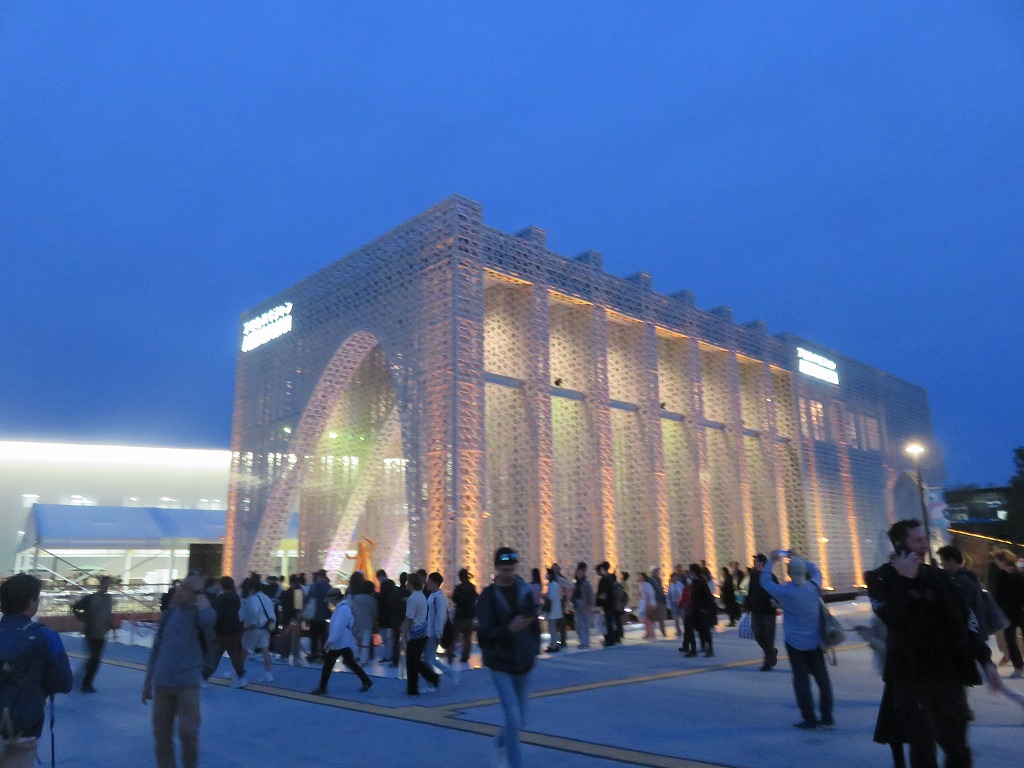
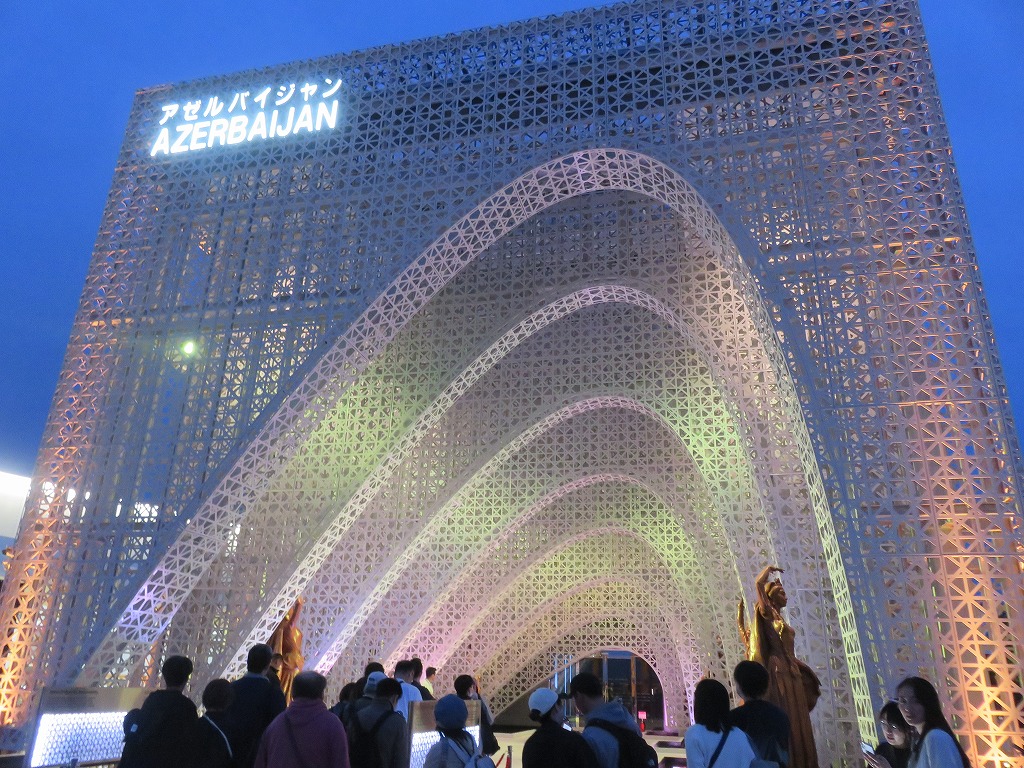
Azerbaijan Pavilion
The exterior features an impressive pattern resembling Kumiko woodwork and seven shining white arches. It becomes even more beautiful when lit up at dusk.
Thailand Pavilion
It looks like a large gabled roof, but half of it is actually a reflection in a mirror.When illuminated, figures of elephants also emerge.


Hungary Pavilion
The surface is covered with over 35,000 strips of tent fabric, said to represent the swaying leaves of trees.The building behind them is modeled after a haystack.

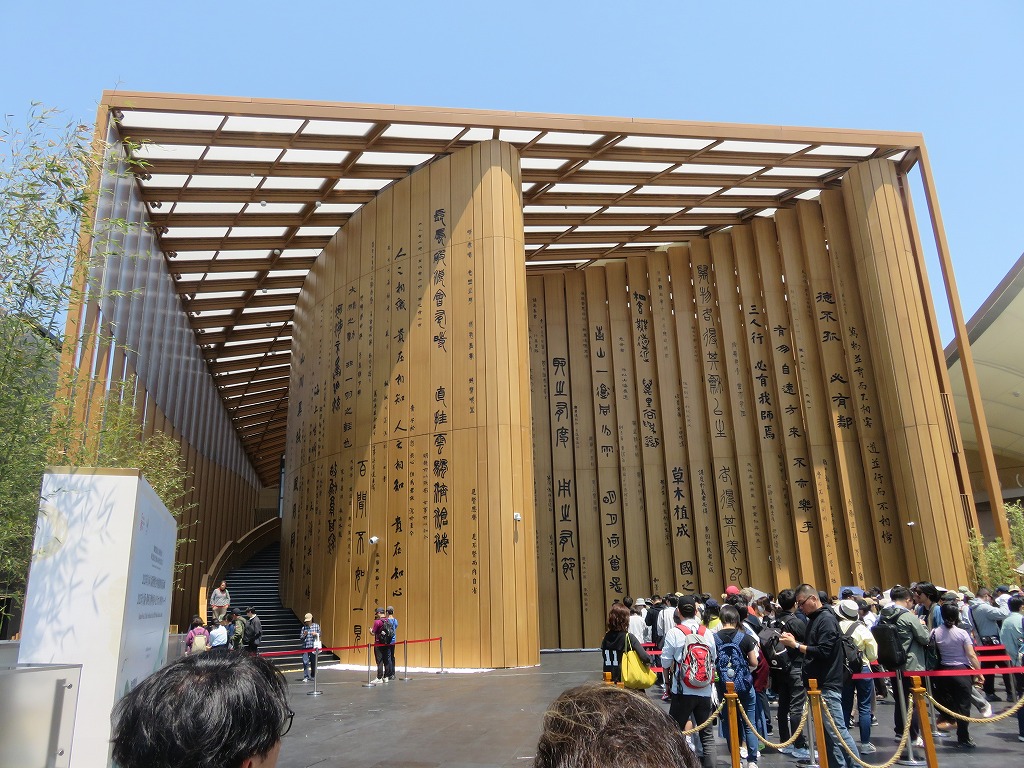
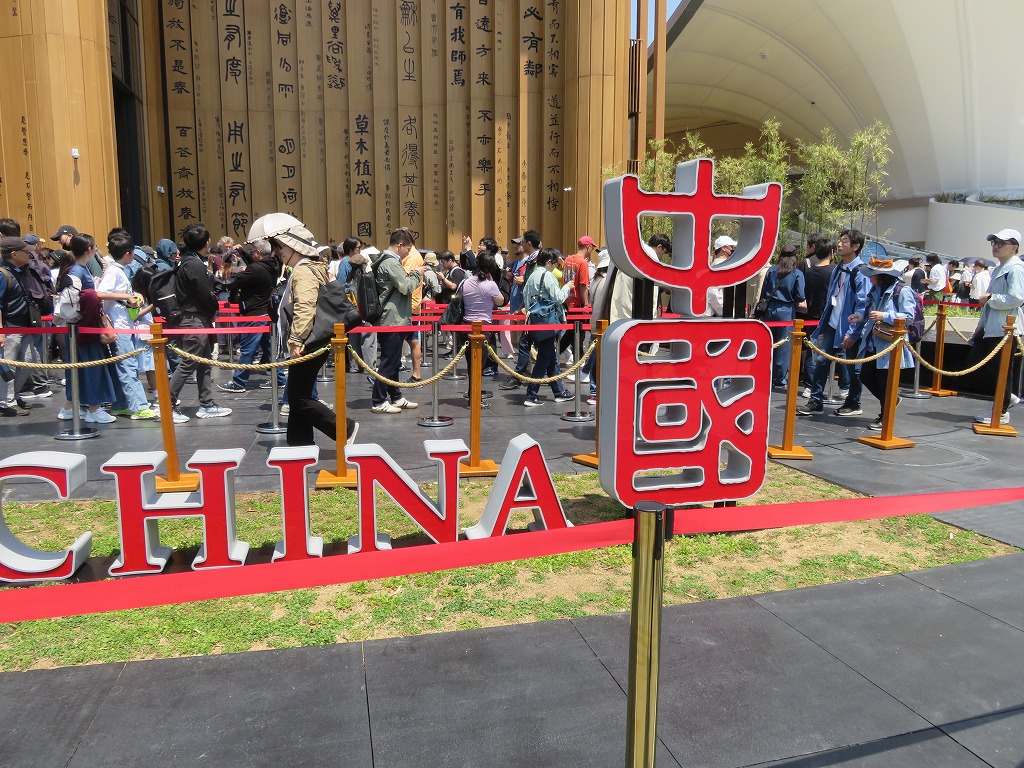
China Pavilion
The exterior is themed after “Chukan” (ancient bamboo scrolls), with 119 Chinese poems written on the outer walls in five different calligraphic styles.
Colombia Pavilion
The motif is the “House of Ice” featured in the novel “One Hundred Years of Solitude.”

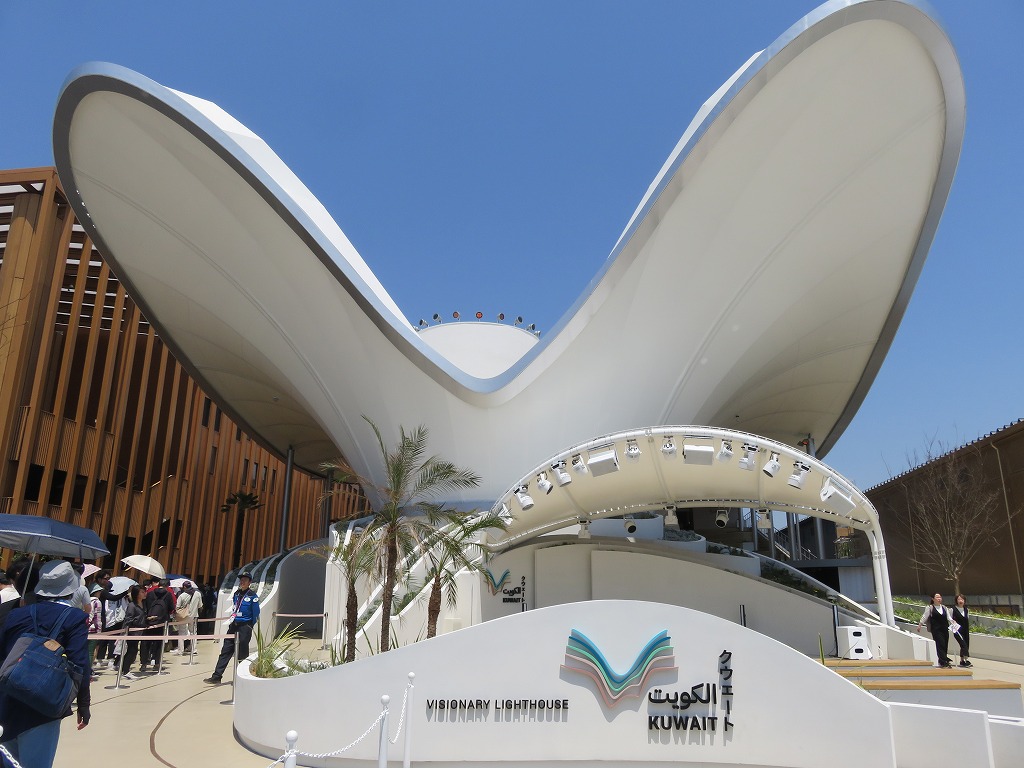
Kuwait Pavilion
An exterior modeled after large, spreading wings.The wings are said to carry the meaning of “Welcome.”
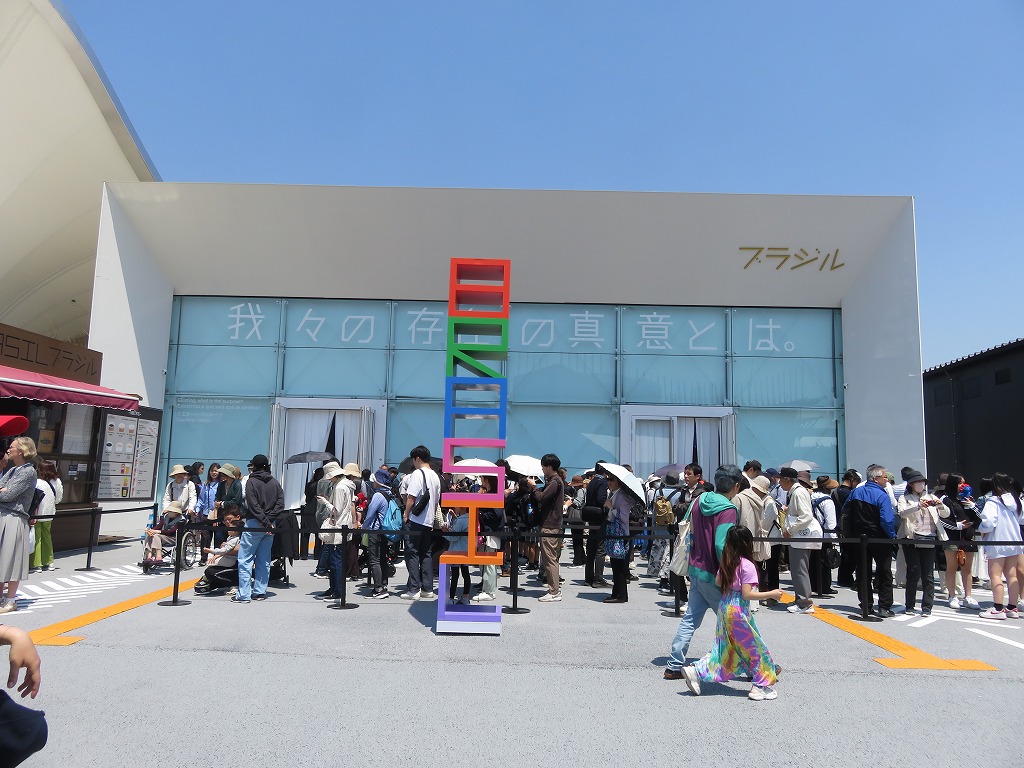
Brazil Pavilion
This pavilion visualizes the story of life’s diversity, death, and rebirth. The entrance features the question in Japanese, “What is the true meaning of our existence?”
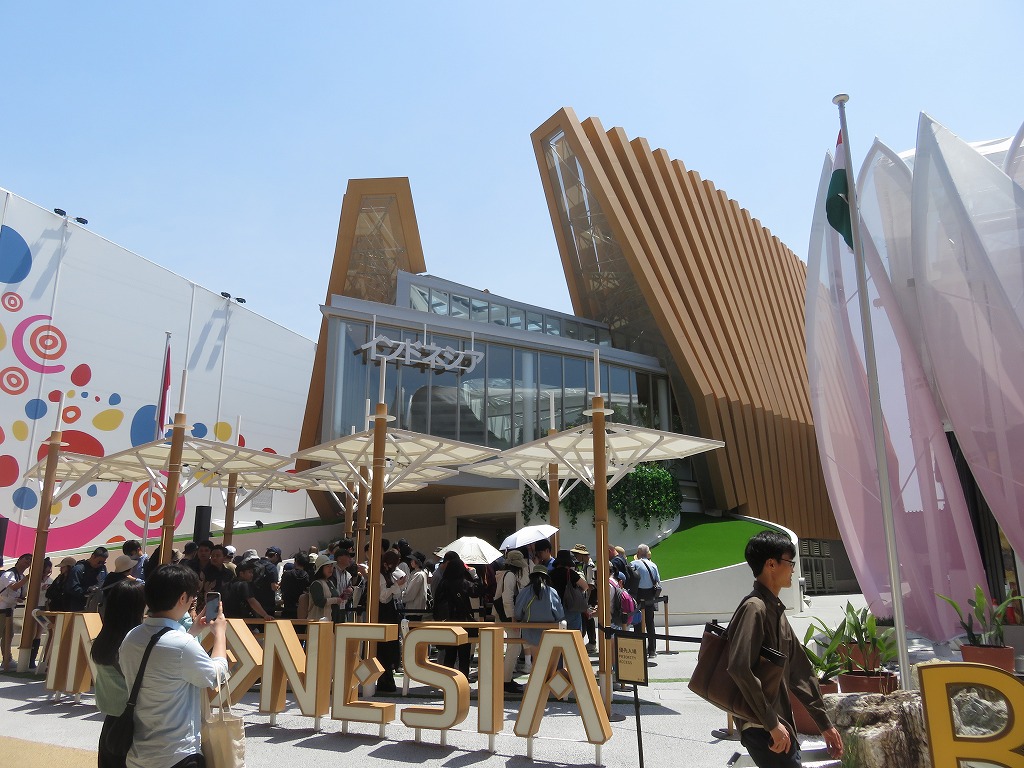
Indonesia Pavilion
An exterior in the shape of a ship. The interior was wonderful, filled with real, lush plants.
Qatar Pavilion
A building designed by Kengo Kuma, the world-renowned architect famous for designing the National Stadium for the Tokyo 2020 Olympics.
The design was inspired by Qatar’s traditional “Dhow” sailing vessels and Japanese traditional “Sashimono” (wood joining) techniques.

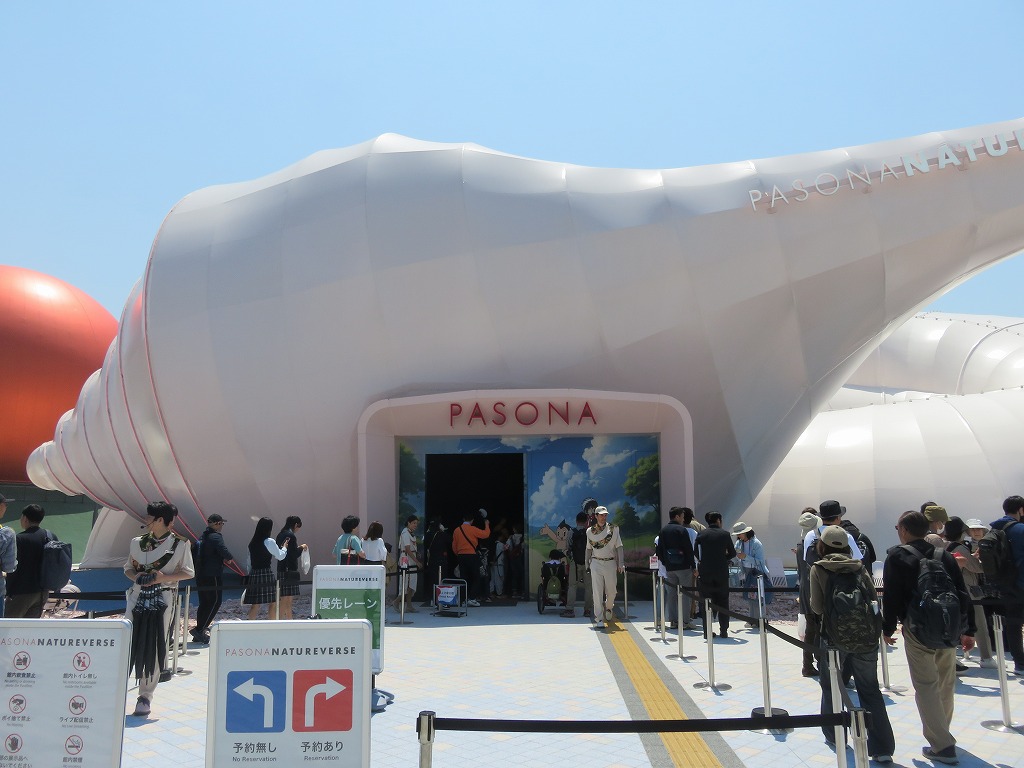
PASONA Pavilion
A pavilion by a major Japanese corporation, featuring a design inspired by the spiral shape of an ammonite.
Yoshimoto Waraii Myraii Pavilion
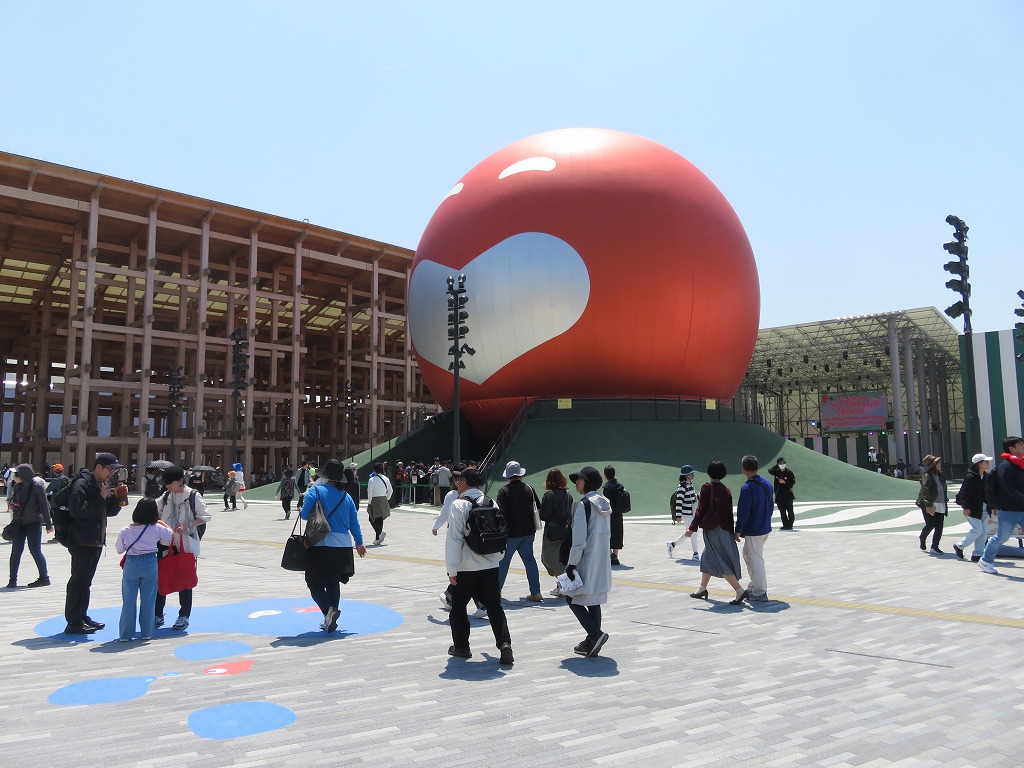
Produced by Yoshimoto Kogyo, Japan’s leading entertainment company.”TAMAR,” a smiling sphere floating on a hill.
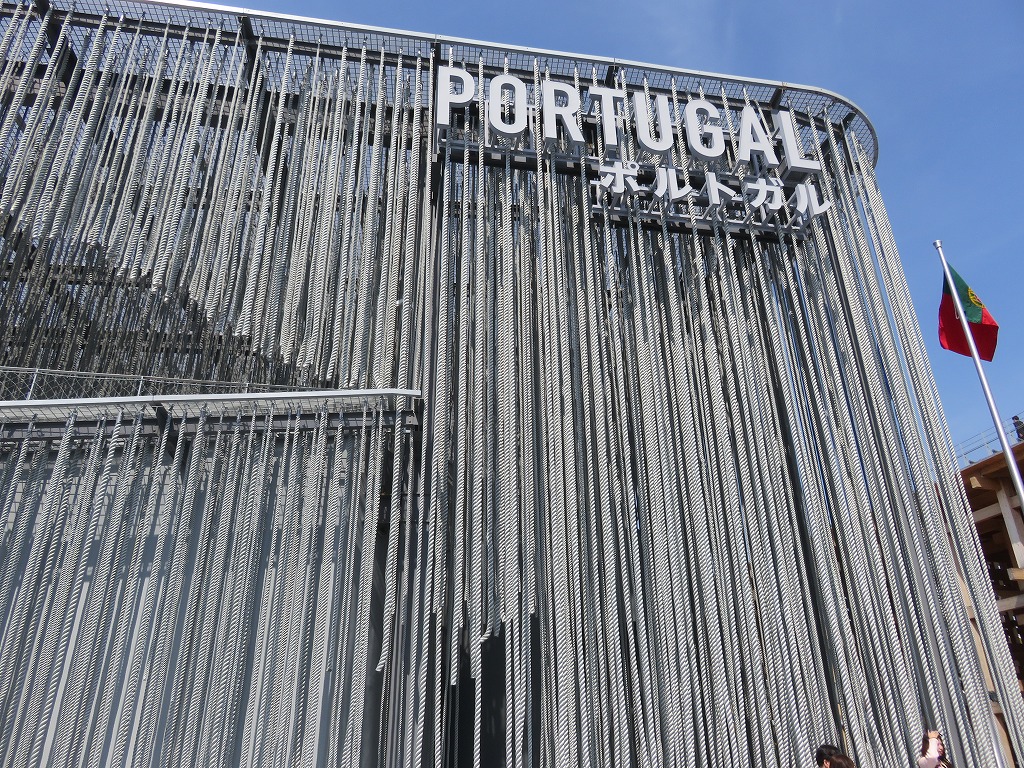
Portugal Pavilion
Designed by Kengo Kuma, the architect of the National Stadium, featuring countless ropes hanging from the exterior walls.
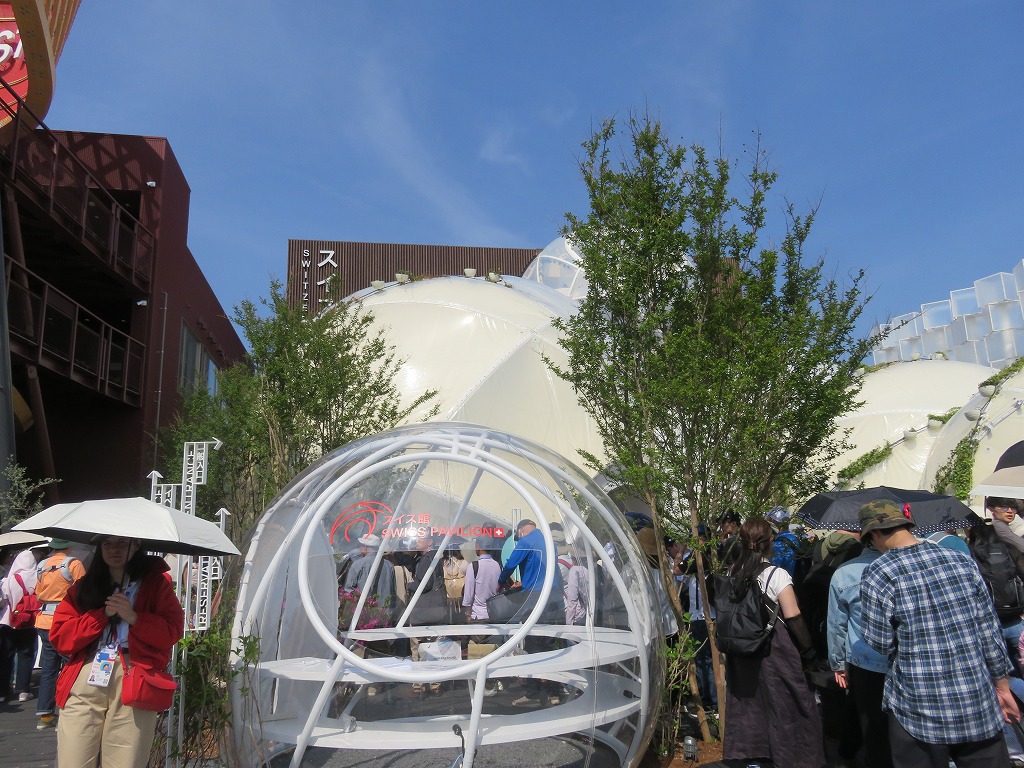
Switzerland Pavilion
A lightweight membrane structure consisting of connected spheres, designed to minimize environmental impact.
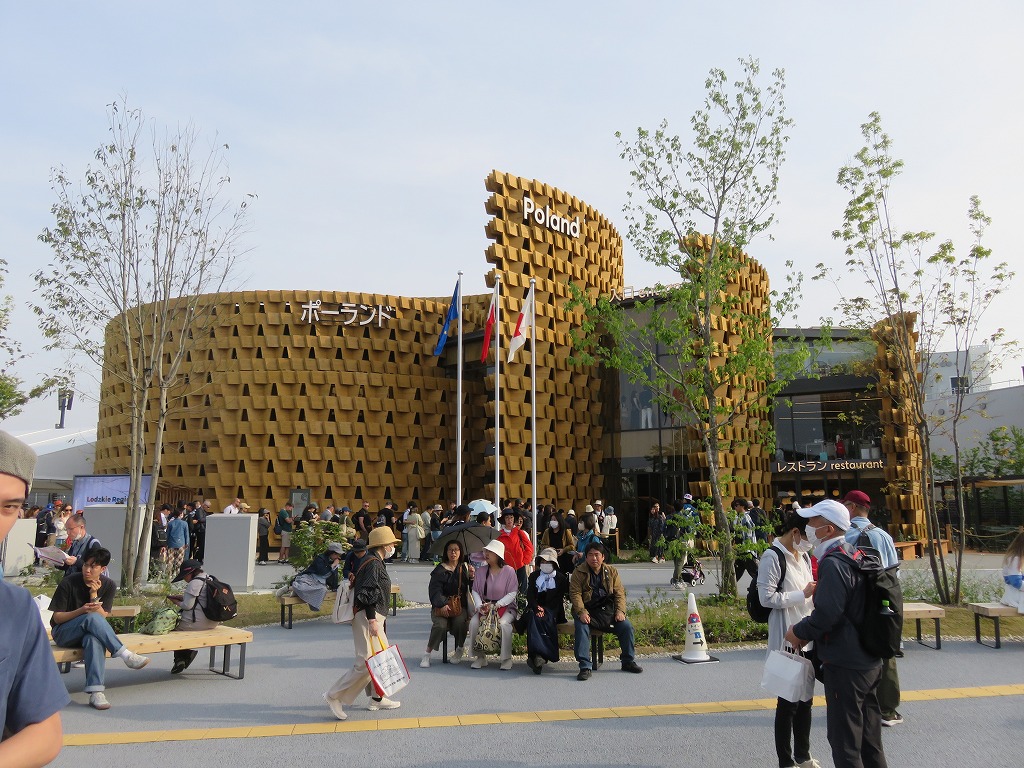
Poland Pavilion
A wood-based exterior expressing the spreading waves of Poland’s creativity and innovation.
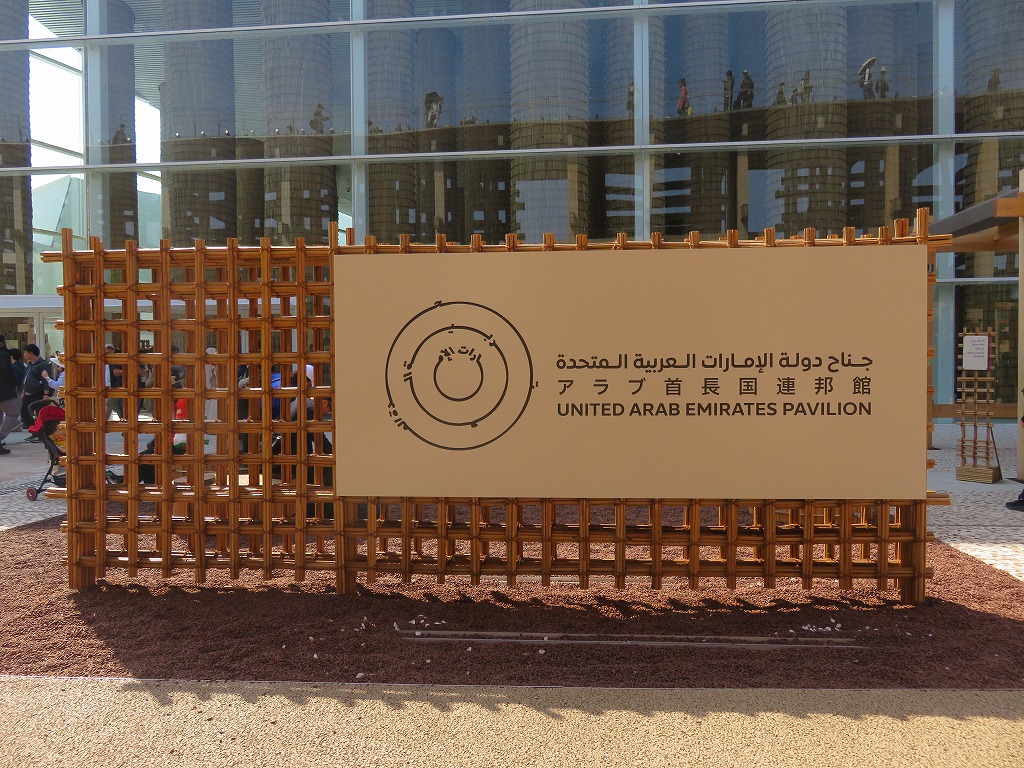
United Arab Emirates (UAE) Pavilion
The exterior is glass-walled, and inside, 90 date palm pillars up to 16 meters high stand in a line.The space is a reinterpretation of the traditional “Arish” architectural style.
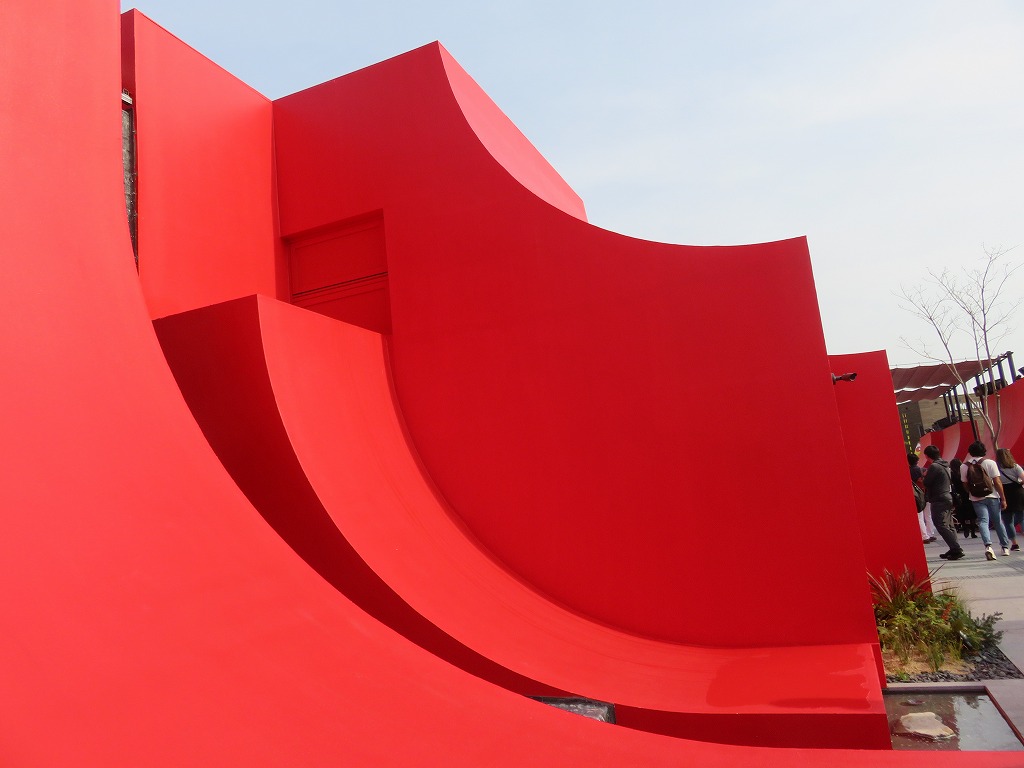
Oman Pavilion
A bright red building with a mysterious shape.It is difficult to capture the entire structure in a single photo from nearby.
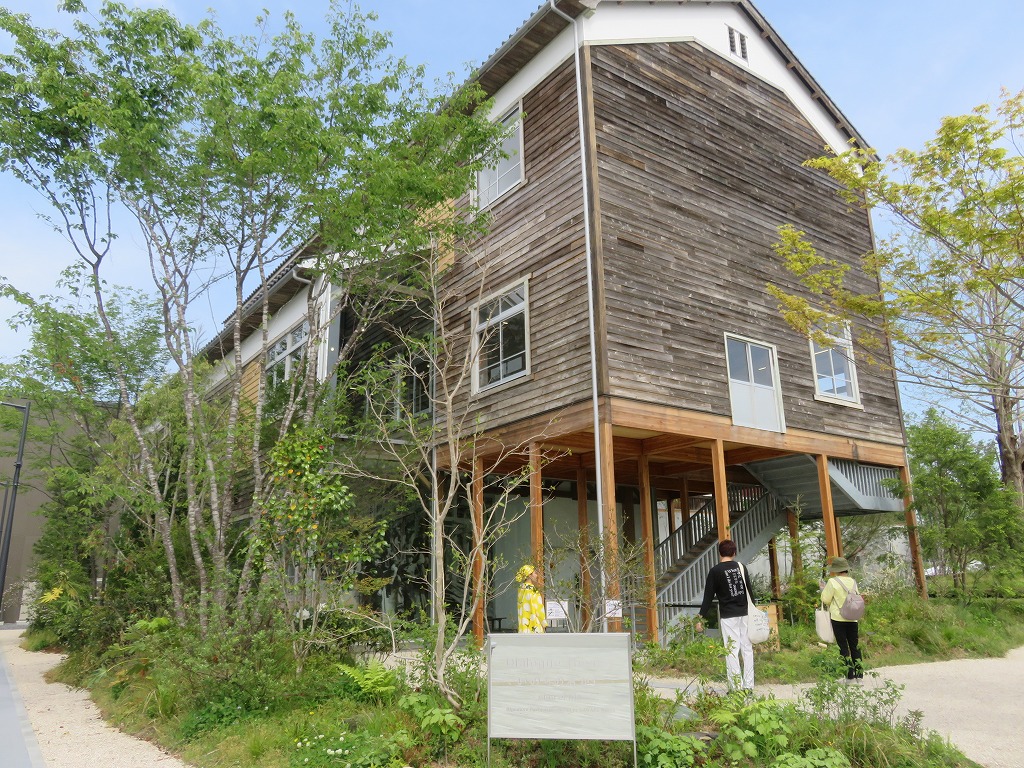
Naomi Kawase’s Signature Pavilion
Produced by Naomi Kawase, a world-class film director and winner of numerous awards at the Cannes Film Festival. Two abandoned school buildings from Nara and Kyoto prefectures were relocated and reborn as three pavilion structures.
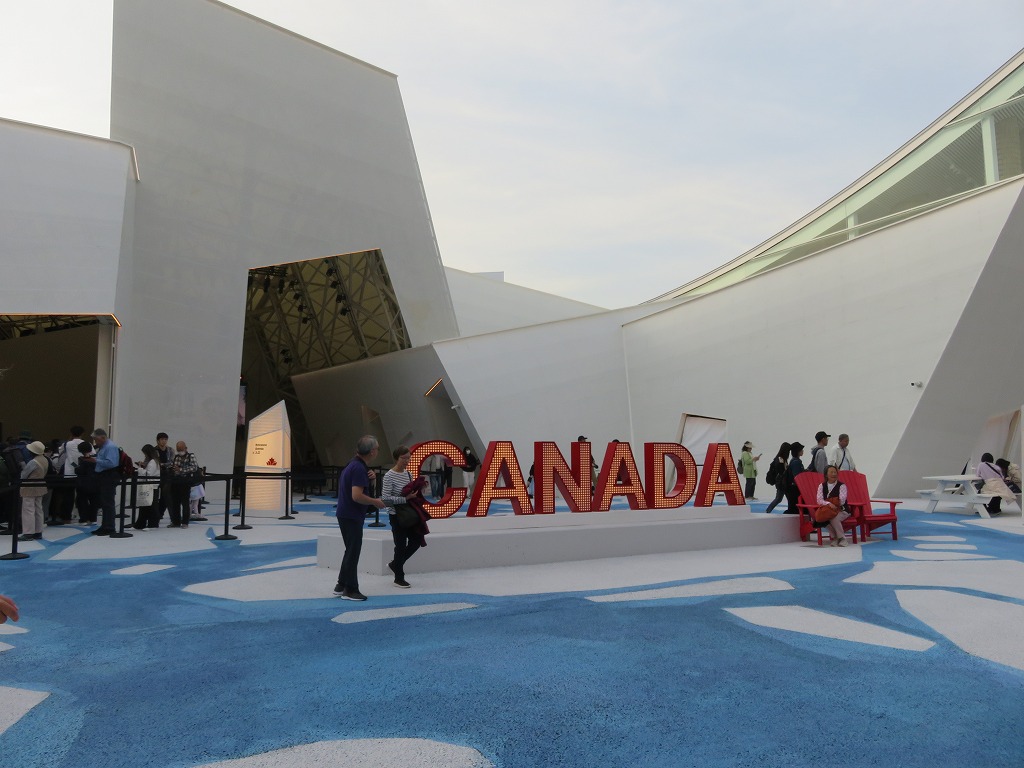
Canada Pavilion
The exterior is modeled after the scenery of river ice melting with the arrival of spring.
United Kingdom (UK) Pavilion
A design inspired by building blocks.
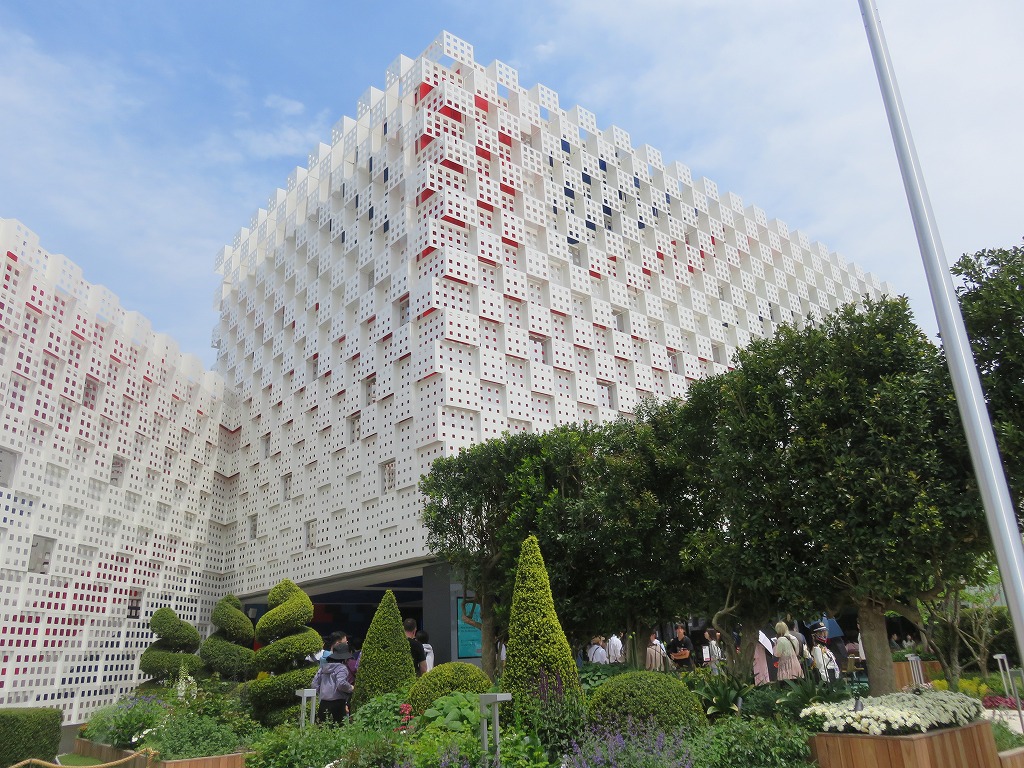
Kingdom of Bahrain Pavilion
Designed by Lina Ghotmeh, a world-class architect based in Paris, the building features integrated interior and exterior spaces constructed with wood based on a ship’s structure.
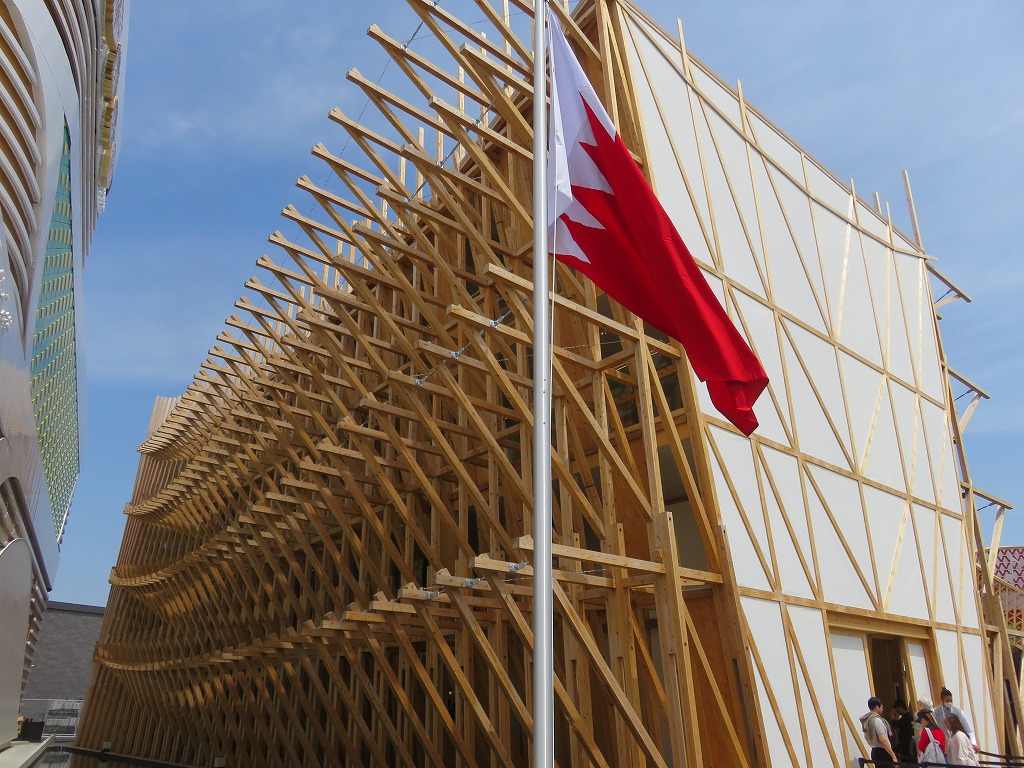
Malaysian Pavilion
A design by Kengo Kuma, the architect of the National Stadium, featuring approximately 5,000 bamboo stalks woven like ribbons. It draws supple curves like cloth swaying in the wind, and at night, it shines like “Songket,” a traditional woven fabric.
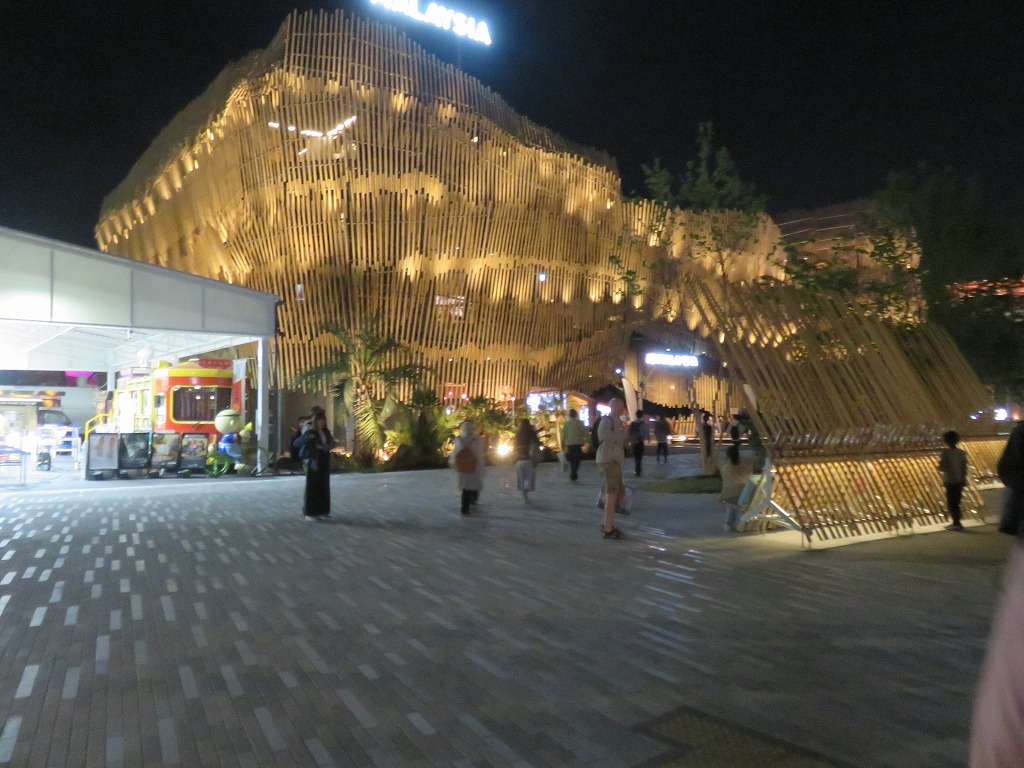
Turkey Pavilion
The exterior features a facade depicting wave patterns symbolizing the Mediterranean and Black Sea coasts of Turkey.
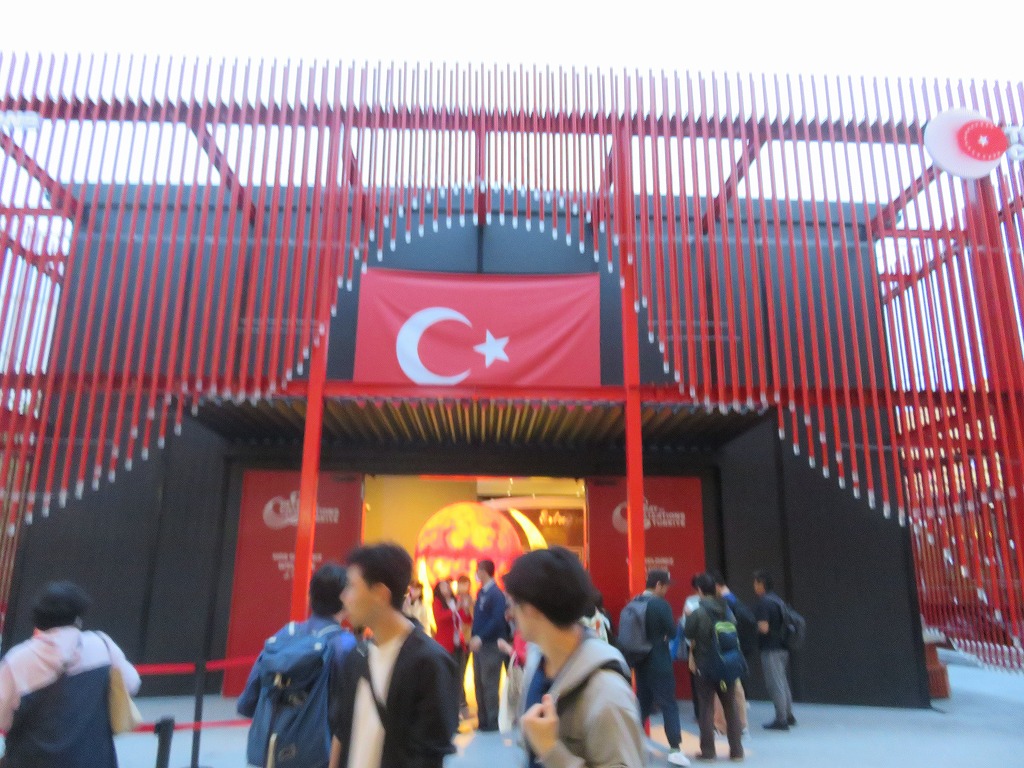
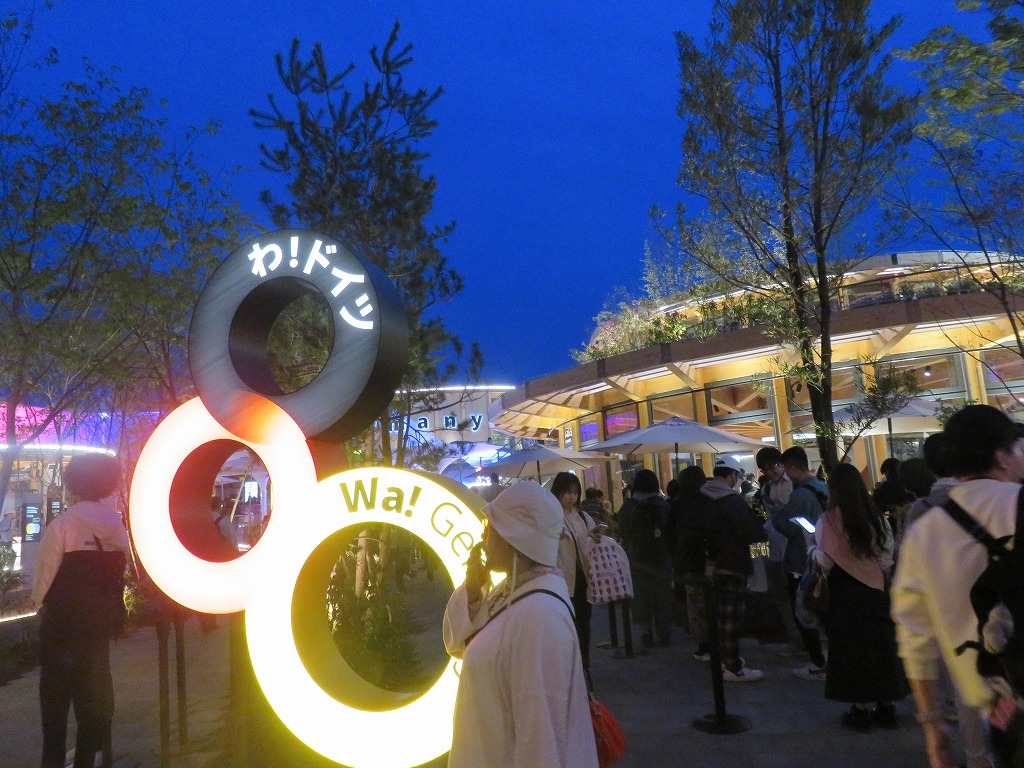
Germany Pavilion
The name “Wa!” is said to carry three meanings: “Wa” as a circle (Cycle/Circulation), “Wa” as harmony (Peace/Harmony), and “Wa!” as an exclamation (Wow!).
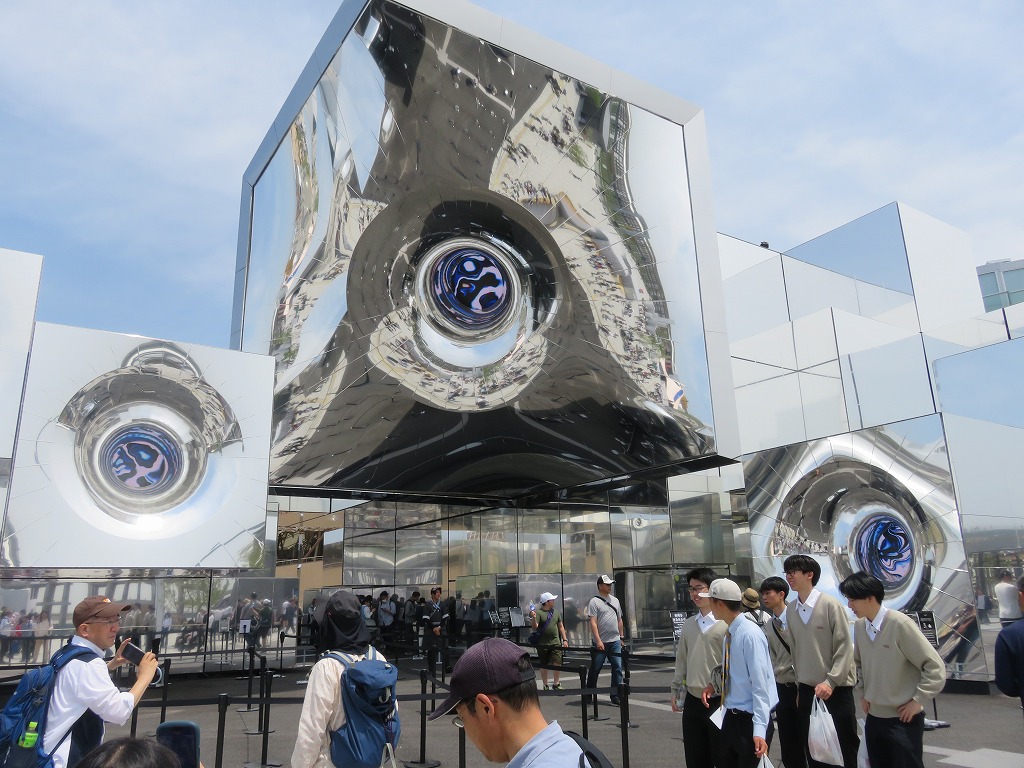
Signature Pavilion “null2”
Produced by Yoichi Ochiai, a prominent Japanese media artist. Crowdfunding was used to raise funds for the relocation and preservation of the building after the Expo closed.
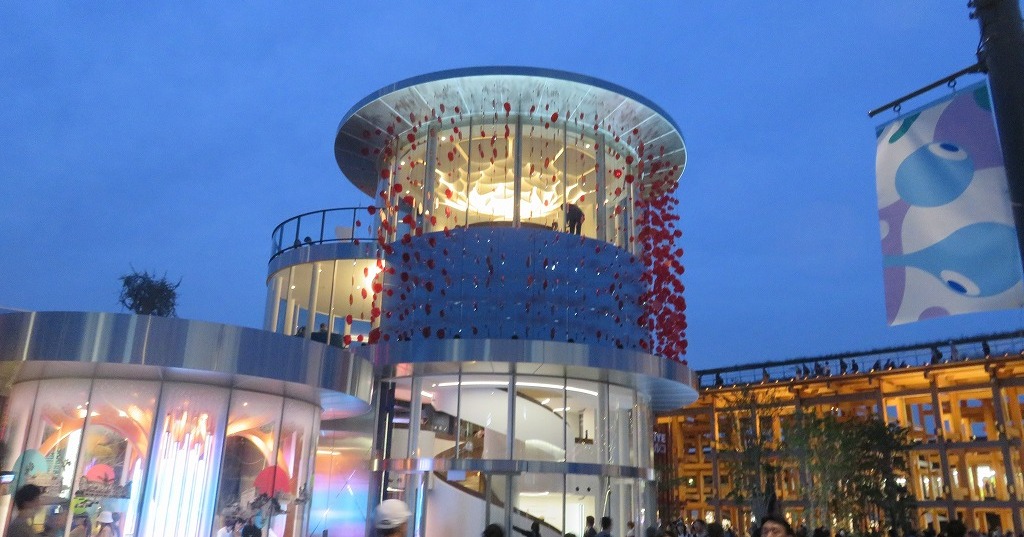
Monaco Pavilion
It’s cute, with red crystals hanging down.
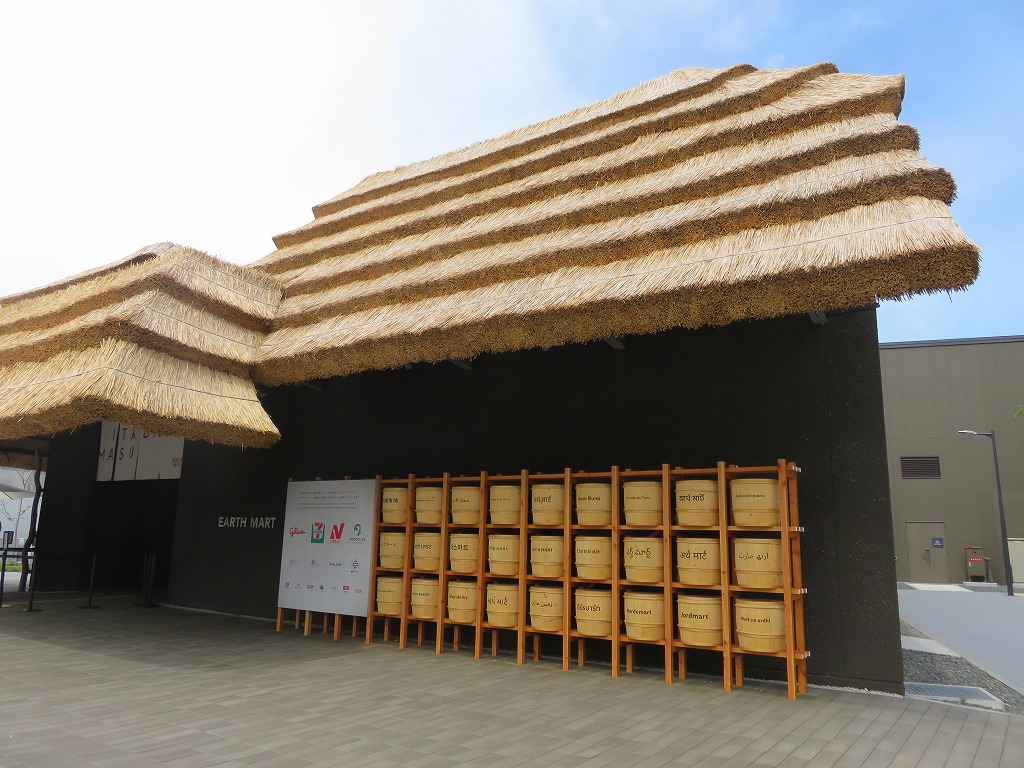
Signature Pavilion “EARTH MART”
Produced by Kundo Koyama, a famous Japanese broadcast writer and screenwriter. Featuring a thatched roof made by craftsmen using Kaya (thatch) collected from all over Japan.
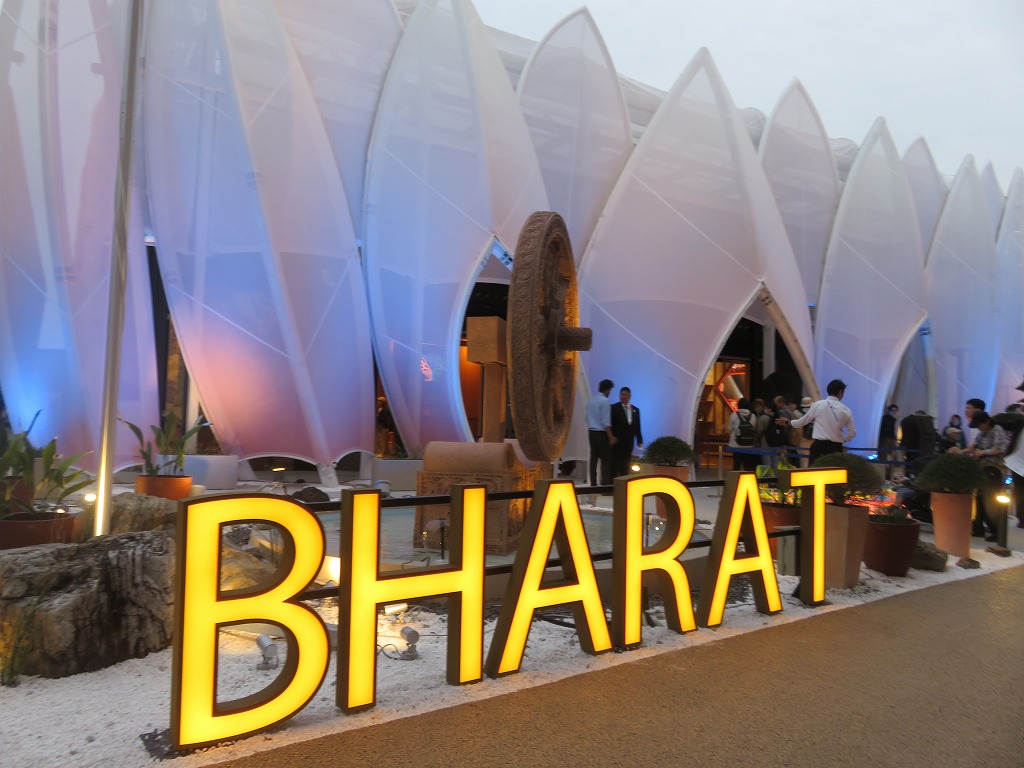
India Pavilion
It is modeled after the lotus flower and the Bodhi tree.
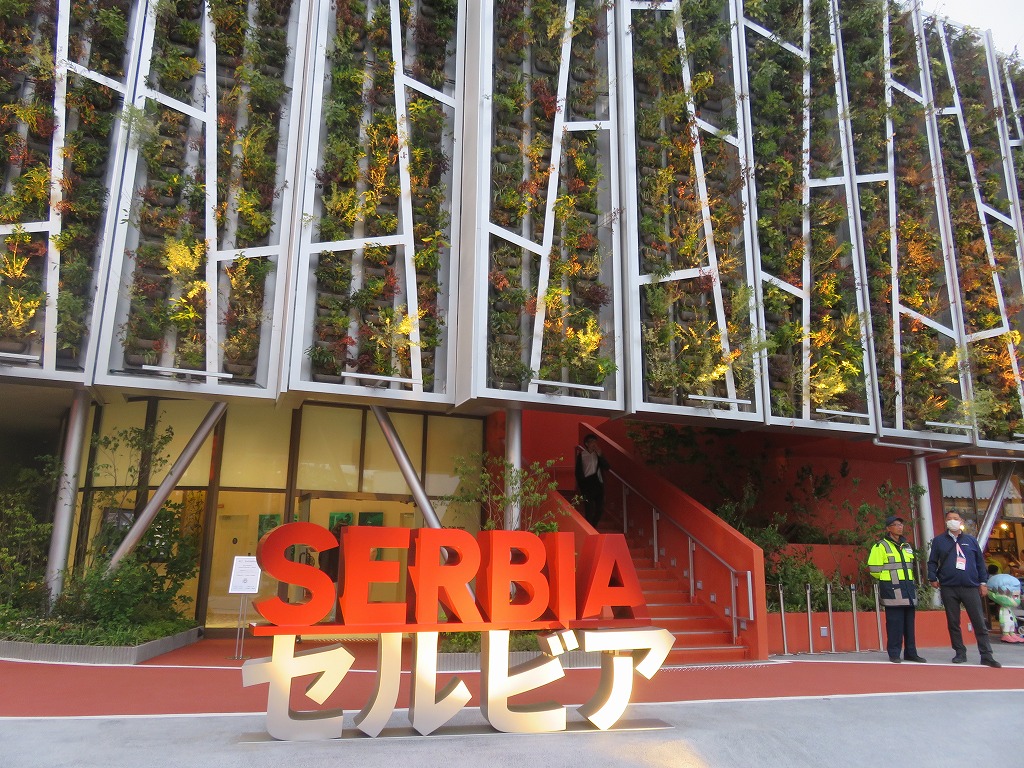
Serbia Pavilion
The concept is a “Floating Forest.”Approximately 3,000 plants were planted; Serbia is said to be the only one using living plants for the pavilion’s exterior.
South Korea Pavilion
A massive display measuring 27 meters wide and 10 meters high has been installed.

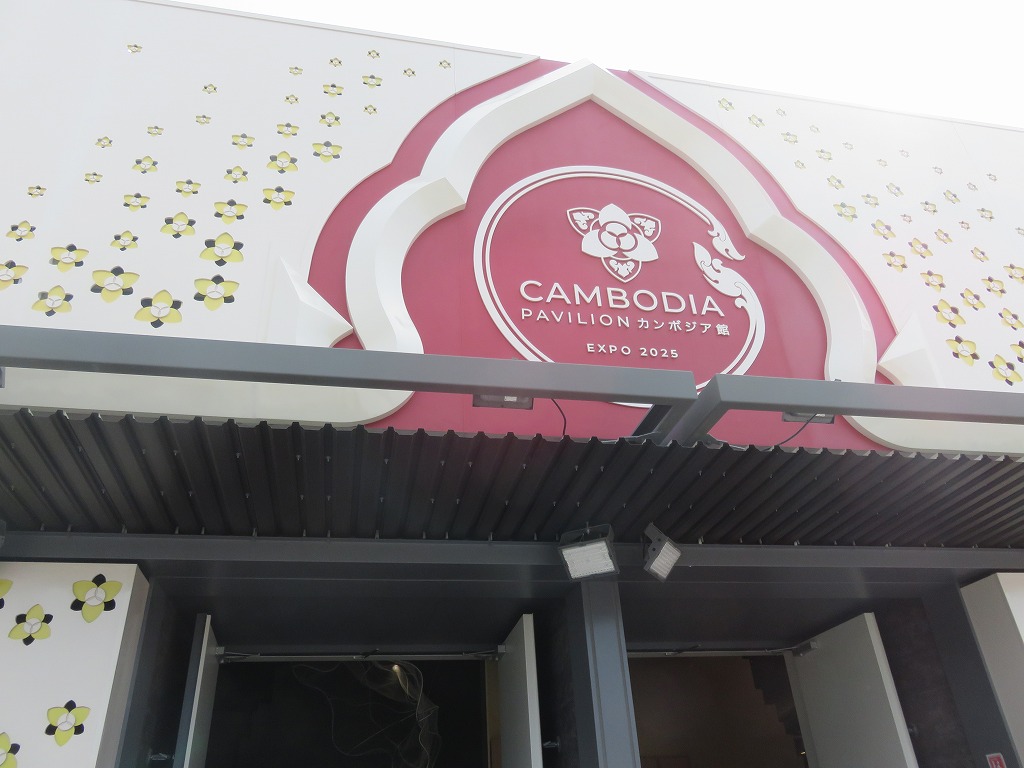
Cambodia Pavilion
The design is based on the Koh Ker archaeological site, which consists of about 30 temples.
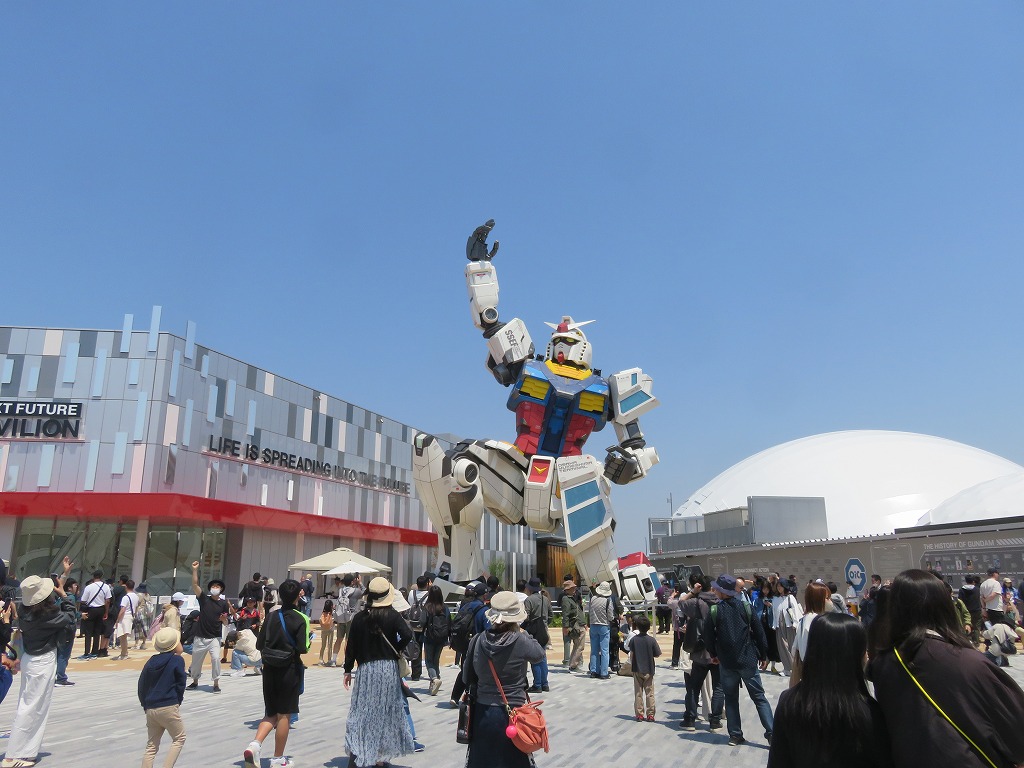
GUNDAM NEXT FUTURE PAVILION
The life-sized statue of “Gundam,” Japan’s iconic giant robot anime, stands approximately 17 meters tall and shows a new form reaching out toward the future.
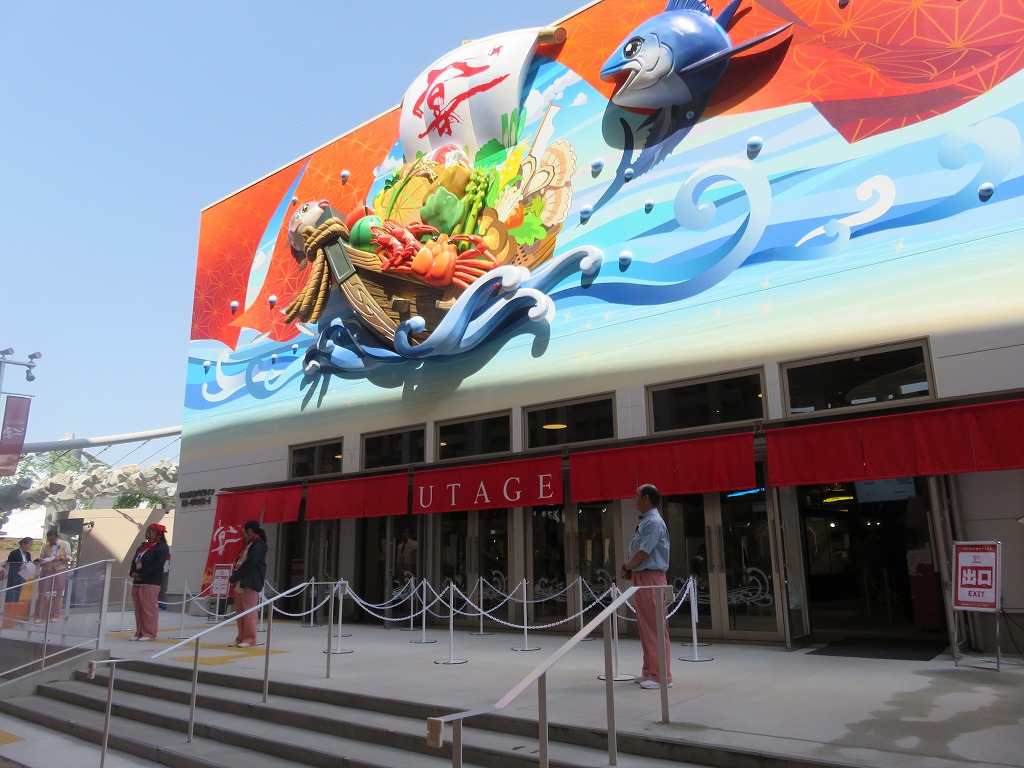
ORA Restaurant Pavilion: UTAGE
A joint pavilion by the Osaka Restaurant Management Association (ORA), showcasing Japan’s vibrant food culture.
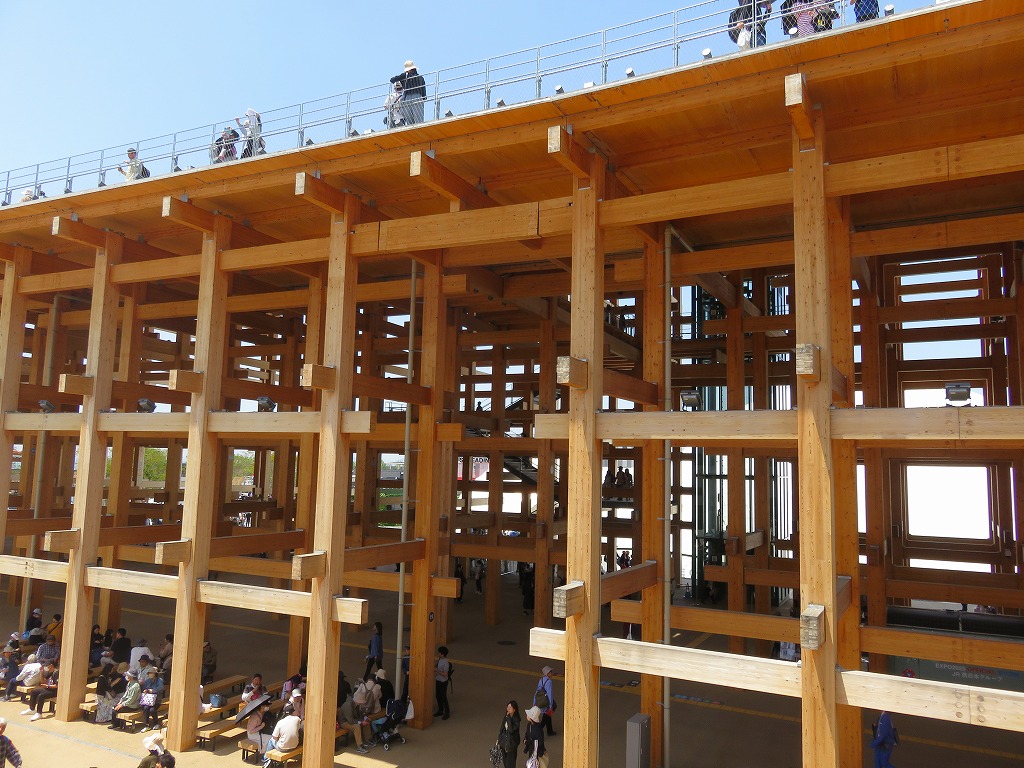
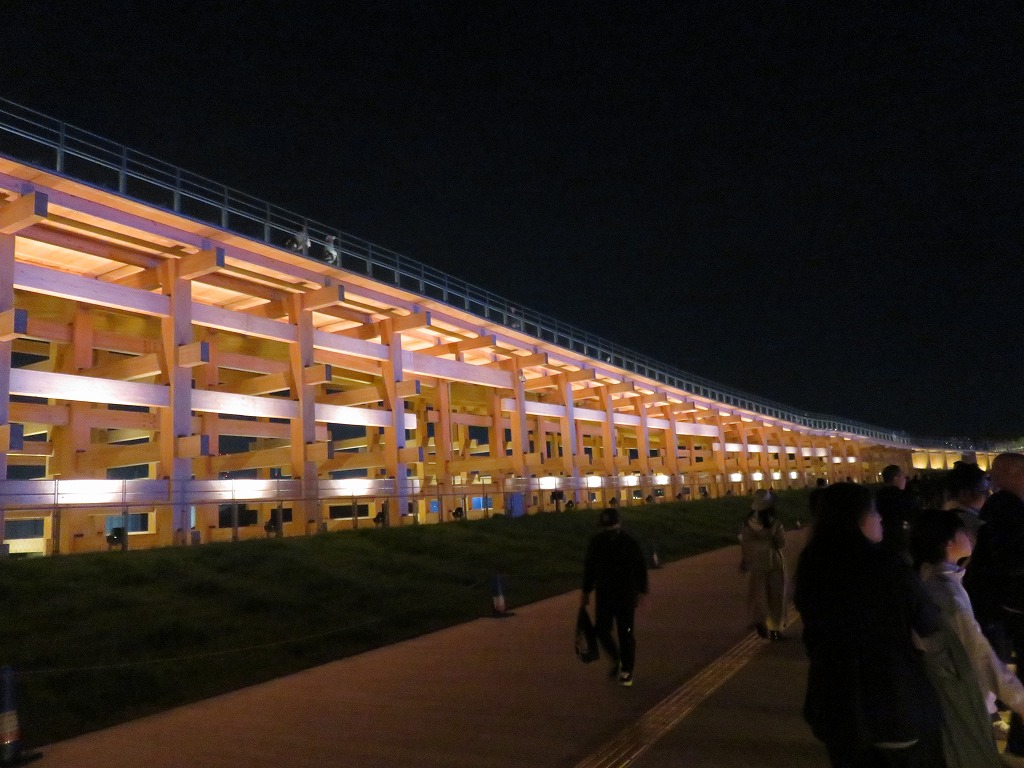
Grand Roof (Ring)
Designed by Sosuke Fujimoto, a globally acclaimed architect who served as the Expo’s Design Producer. The basic design was handled by a joint venture between Tohata Architects & Engineers and Azusa Sekkei.
Innovative Japanese Technologies Supporting Novel Exteriors
Many of the Expo buildings, which were to be dismantled in about six months, utilized membrane materials that are lightweight and easy to disassemble. In particular, Taiyo Kogyo Corporation, based in Osaka, handled the design and construction of more than 20 facilities for this Expo.
Taiyo Kogyo is a dominant leader in this field and has participated in international expos in Shanghai, Milan, and Dubai. Membrane materials offer significant advantages, such as being thin, lightweight, and capable of shortening construction periods.
The “null2” pavilion introduced earlier also featured an exterior by Taiyo Kogyo, adopting the world’s first mirror-surface membrane.
Learn more
https://xtech.nikkei.com/atcl/nxt/column/18/03172/041700004/